Modern Building Engineering: Highest Standards of Air and Water Hygiene from a Single Source
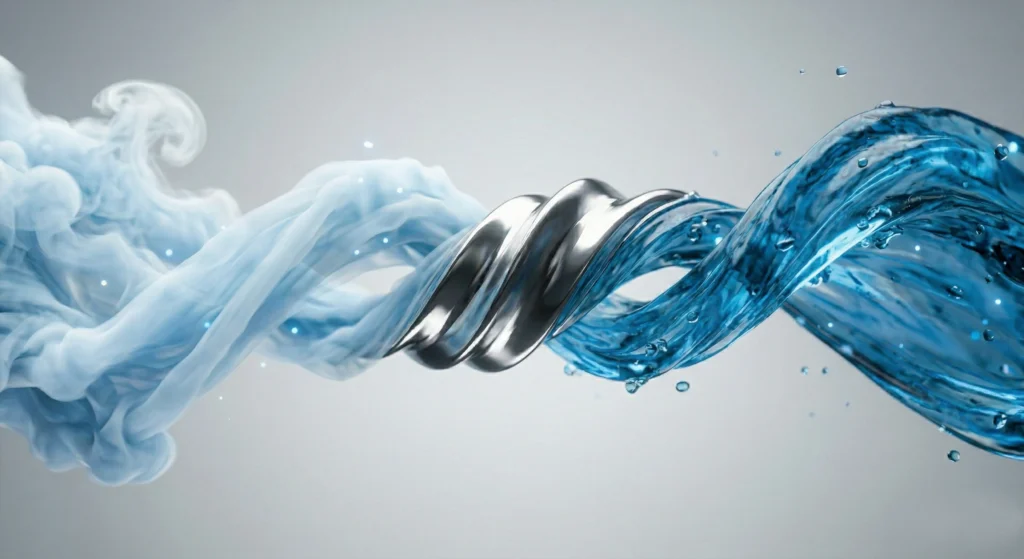
The commercial real estate market is at a turning point. For the past two decades, building engineering has focused almost exclusively on energy efficiency (A++ class) and prestigious sustainability certifications (LEED, BREEAM). However, a dangerous "green building paradox" has emerged within these hermetically sealed, thermally optimized spaces: perfect energy performance is often achieved at the expense of Indoor Environmental Quality (IEQ) and human health.
Developers and general contractors invest millions in top-tier air ventilation systems, yet frequently attempt to cut costs on plumbing and heating infrastructure. This approach leaves the building vulnerable on two fronts: limescale destroys energy efficiency, and Legionella breeding in the pipes creates a lethal biological threat.
To ensure absolute building hygiene and protect investments, modern engineering solutions require a new approach—unifying air and water quality systems under a single, reliable provider.
1. VDI 6022: The Non-Negotiable Standard for Air Hygiene
In a modern commercial building, the air quality benchmark is set by the VDI 6022 standard, created by the Association of German Engineers. It is the strictest hygiene requirement for HVAC systems in Europe.
The core principle of VDI 6022 is simple but engineering-intensive: the air supplied to the premises must under no circumstances be of lower microbiological quality than the outdoor air.
- No Bacteria or Mold: Recuperators and ducts must be designed to prevent moisture accumulation and biological fouling.
- Strict Material Science: System components must be made of non-toxic, microbe-resistant materials that do not emit Volatile Organic Compounds (VOCs).
- Maintenance Architecture: Every system node must be easily accessible for physical cleaning and disinfection.
When you purchase VDI 6022 certified ventilation equipment (like that supplied by REC BalticVent), you ensure the building's "respiratory system" is sterile and safe. But what happens when the same building's "circulatory system" (the water supply) is ignored?
2. The Dangerous Disconnect: Perfect Air, Toxic Water
This is one of the biggest mistakes in modern construction: a developer creates a sterile air environment meeting VDI 6022, but the building's water network is designed only to minimum baseline code requirements.
In commercial buildings (hotels, hospitals, offices), water systems constantly develop "dead legs"—areas where water stagnates. Temperatures drop here, creating ideal conditions for Legionella pneumophila bacteria to form biofilms.
If your building supplies perfectly clean air through its vents, but the showers or decorative fountains spray Legionella-contaminated water aerosols, the building's entire hygiene profile is ruined. Furthermore, hard, mineralized water quickly covers heat exchangers in limescale, destroying that expensive A++ energy efficiency and making it impossibly expensive to reach the regulatory temperatures required by safety norms like HN 136:2023.
3. The Solution: Anodic Oxidation and Air Hygiene from One Supplier
The only way to ensure comprehensive building safety is to combine top-tier ventilation with state-of-the-art water disinfection technology—electrochemical anodic oxidation (e.g., LegioTerm).
LegioTerm does for water what the VDI 6022 standard does for air:
- Chemical-Free Sterilization: It uses natural salts in the water to create active oxidizers that completely destroy Legionella biofilm in the pipes.
- Limescale Prevention: The system alters the calcium crystallization process, protecting heat exchangers from scale deposits and restoring the original efficiency of the engineering systems.
4. Digital Integration: Smart Building Management Systems (BMS)
Top-tier engineering requires top-tier control. Both VDI 6022 ventilation units and LegioTerm water disinfection systems are digitally integrated into a central Building Management System (BMS) using open-architecture Modbus or BACnet protocols.
This allows the facility manager to view the "vital signs" of the entire building on a single screen: from CO2 levels and filter contamination in the air ducts to precise water flow, temperatures, and active oxidizer levels in the plumbing. This automates compliance with strict legal regulations and prevents any public health fines.
5. The Strategic Advantage for General Contractors: Single-Source MEP
Traditionally, general contractors purchase ventilation, heating, and plumbing systems from different, lowest-bidding subcontractors. This fragmented model creates massive engineering gaps: equipment doesn't physically align, and operational algorithms conflict.
Because of this mismatch, the infrastructure itself inevitably breaks down. Uncoordinated components lead to very real physical failures: improper condensate management floods expensive equipment, rapidly forming scale burns out brand-new heat exchangers within months due to unmanaged water flows, and critical blind spots in the design guarantee that a Legionella outbreak will eventually occur.
By consolidating these purchases and entrusting building hygiene (air and water) engineering to a single expert partner like REC BalticVent, developers and contractors prevent physical catastrophes:
- Zero Engineering Failures: HVAC and water systems are designed to work together as a single organism, completely avoiding critical equipment breakdowns, overheating, and expensive accidents during operation.
- Guaranteed System Longevity: One company ensures that the incoming water will not destroy your expensive ventilation and heating equipment. Clean, scale-free pipes mean your pumps and heat exchangers will last for decades, not just a few years.
- Economics and Integration: Buying high-value HVAC and water disinfection equipment from a single source optimizes capital expenditures (CapEx) and ensures the equipment connects flawlessly into a single BMS network without communication errors.
A modern building is a unified organism. Invest in perfect air, but do not forget to protect the water, or the system will simply fail. Contact REC BalticVent engineers to ensure the highest hygiene standards for your project from a single, reliable source.
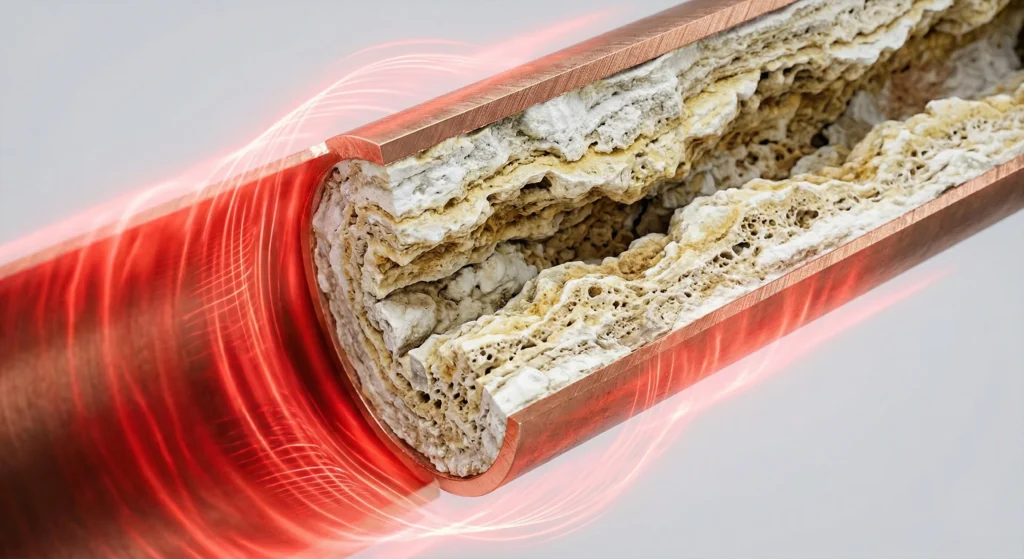
Limescale, Rust, and Legionella: How Anodic Oxidation Restores Heating System Efficiency
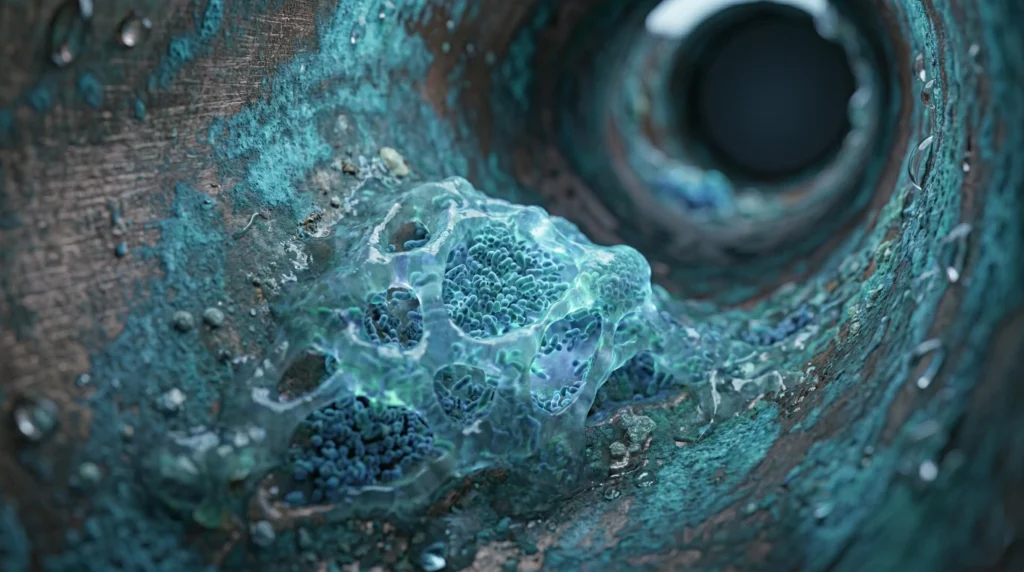
Thermal Shock and Chlorination: Why Old Legionella Eradication Methods Destroy Your Pipes