Thermal Shock and Chlorination: Why Old Legionella Eradication Methods Destroy Your Pipes
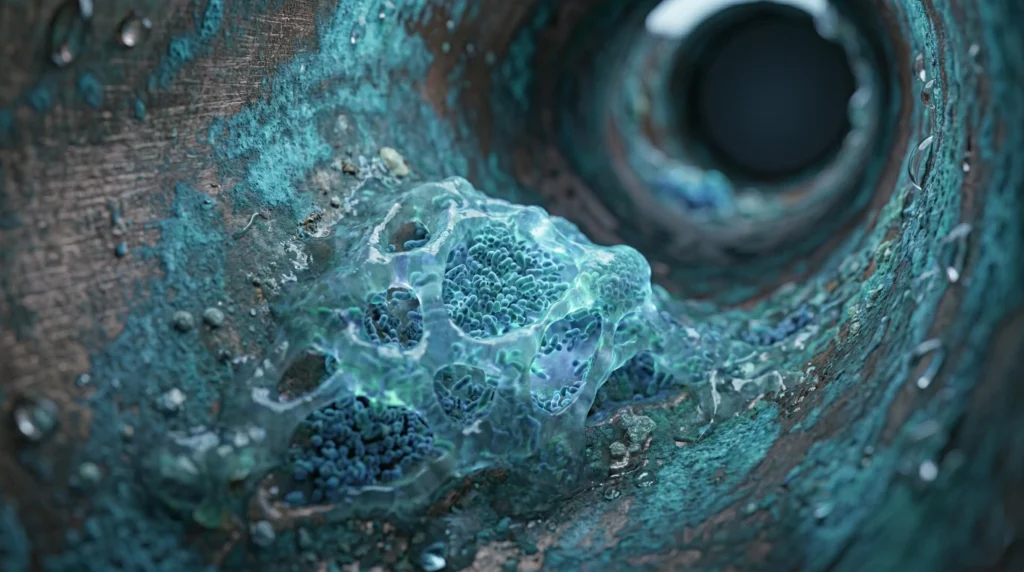
The management and eradication of Legionella pneumophila in the water systems of commercial buildings, industrial facilities, and healthcare institutions is one of the greatest challenges in modern building engineering. For decades, the standard protocols for controlling these pathogens have relied on highly aggressive interventions: thermal shocks (superheating the water system) and continuous chemical disinfection, most commonly using Chlorine Dioxide (ClO2).
These methods were originally adopted based on laboratory tests involving free-floating bacteria. However, longitudinal clinical data, metallurgical analysis, and environmental microbiology reveal a harsh reality: when applied to real-world, complex building infrastructure, these methods represent a systemic failure.
Legacy methods not only fail to provide long-term protection, but they also cause catastrophic pipe corrosion, massive energy waste, and demand perpetual investment in system repairs. Here is the scientific and engineering proof of why it is time to change how we eradicate Legionella.
1. Why Thermal Shock Fails Against Biofilm
The standard operating procedure for a thermal shock requires raising the building's domestic hot water temperature to 70°C (158°F) or higher and systematically flushing all fixtures. While temperatures above 60°C quickly kill bacteria floating freely in bulk water, this method fundamentally ignores the complex biological architecture of plumbing networks.
The Thermal Insulation of Biofilm
Bacteria in engineered networks rarely float freely. They attach to the inner walls of pipes and form a biofilm—a slimy matrix of extracellular polymeric substances (EPS).
- Insulating Properties: Biofilm acts as a perfect thermal insulator. Its thermal conductivity is nearly identical to stagnant water (~0.6 W/m·K). By comparison, the thermal conductivity of copper is about 400 W/m·K.
- The Temperature Gradient: Studies show that a layer of scale and biofilm just 0.4 mm thick can reduce conductive heat transfer across a metal pipe wall by over 50%. This means that even when 70°C water flows through the center of the pipe, the deepest layers of the biofilm (right against the pipe wall) remain significantly cooler, allowing Legionella to survive.
The "Trojan Horse" and Rapid Recolonization
Legionella possess another defense mechanism: they parasitize free-living amoebae found in water. When exposed to extreme heat, these amoebae transform into highly resilient cysts that can survive 80°C temperatures for up to 10 minutes. The Legionella hiding inside the cyst remain completely unharmed.
Practical studies confirm this. In one clinical hospital trial, bacterial counts dropped to zero immediately following a thermal shock. However, just 10 minutes after the water temperature normalized, Legionella counts returned entirely to their original levels (10,000 cfu/L). Even worse, the heat destroys only the top layer of the biofilm, releasing a massive influx of nutrients into the water, which the surviving bacteria consume to rapidly multiply.
2. Chlorine Dioxide and Infrastructure Destruction (The Chemical Reality)
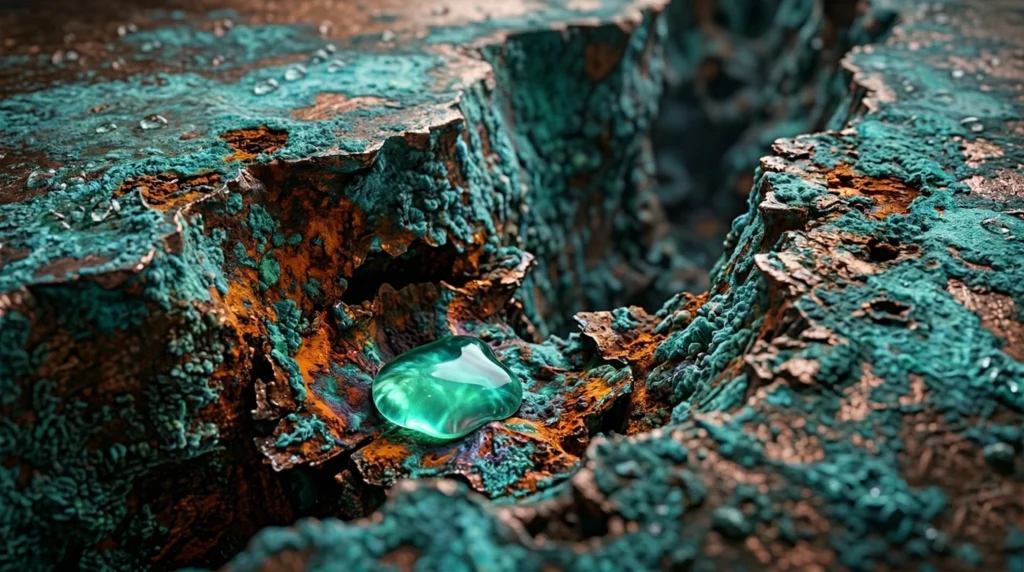
Realizing that thermal shocks are only a temporary fix, facility managers often turn to chemicals. Chlorine Dioxide (ClO2) in water is a powerful but non-selective oxidizer. This means it doesn't just kill bacteria; it actively attacks the piping itself.
Metal Corrosion and Pinhole Leaks
When ClO2 is introduced into a system, it aggressively reacts with the natural protective layers of the pipes (magnetite in galvanized steel and cuprite in copper pipes).
- Reaction Speed: ClO2 reacts with iron corrosion scales approximately 20 times faster than it reacts with organic matter in the water. The pipe wall itself becomes the chemical's primary target.
- Pitting Corrosion: When chemicals compromise this protective layer and expose bare metal, a microscopic galvanic cell is formed. Chlorides rush into these imperfections, forming hydrochloric acid (HCl). The pH level drops drastically in that specific spot, causing parabolic metal dissolution that ends in sudden, catastrophic pinhole leaks.
- Brass Dezincification: In brass fittings and valves, chlorine selectively dissolves the zinc from the alloy, leaving behind a brittle, porous copper structure that easily ruptures under standard water pressure.
Toxic Byproducts and Heavy Metals
Continuous oxidation results in massive amounts of heavy metals (iron, copper, and from older galvanized systems, zinc and lead) leaching into the drinking water supply. Furthermore, when chlorine reacts with natural organic matter in the water, it forms Trihalomethanes (THMs)—highly regulated, toxic, and carcinogenic disinfection byproducts.
3. The Massive Economic Toll: Energy Waste and Pipe Death
A continuous reliance on these legacy methods turns a long-term building asset into a short-term liability.
- Wasting Thermal Energy: Constantly heating massive volumes of water to 70°C+ requires an immense amount of energy. This prevents the efficient use of sustainable technologies, like heat pumps, whose Coefficient of Performance (COP) drops drastically at such high temperatures. To maintain this heat in a circulation loop, circulation pump electricity consumption can increase by up to 3.4 times.
- Polymer Pipe (PPR, PE, PEX) Embrittlement: Plastic pipes warrantied for 50 years degrade catastrophically fast in chlorinated systems. ClO2 depletes the antioxidants in the plastic 4 times faster than free chlorine. This induces Environmental Stress Cracking (ESC). Real-world applications show that the lifespan of PPR and PE pipes is reduced by 70–90%, often bursting after just 5 to 15 years.
4. The Scientific Alternative: Anodic Oxidation (LegioTerm®)
Faced with the biological heat resistance of biofilm and the destructive chemical force of chlorination, modern building engineering is shifting to the most advanced solution available: Anodic Oxidation.
LegioTerm® utilizes electrochemical oxidation, which completely eliminates the need to transport and dose aggressive chemicals or continuously burn energy for thermal shocks.
- Electroporation and Cell Death: As water flows through a specialized chamber featuring platinum-coated titanium electrodes, a precise electric field is generated. This field causes electroporation—the physical rupturing of bacterial cell membranes. This instantly kills Legionella, entirely bypassing their genetic heat-defense mechanisms.
- Dismantling the Biofilm EPS Matrix: The electric field neutralizes the electrostatic bonds holding the biofilm's EPS matrix together. The biofilm simply collapses.
- In-Situ Active Anolyte Generation: Using the natural salts already present in the water, the device generates short-lived but incredibly powerful oxidizers (hydroxyl radicals and hypochlorous acid). These penetrate the deepest layers of the collapsed biofilm to finish off any hiding amoebic cysts.
The Bottom Line: Because LegioTerm® generates biocides precisely, on-site, and from natural water elements, it does not cause sudden spikes in oxidation-reduction potential (ORP) or acid formation. This preserves the natural protective layers of your piping, prevents corrosion, and protects millions of dollars in building infrastructure.
Legionellosis Prevention in Apartment Buildings and Institutions: How to Comply with the New HN 136:2023 Requirements?
Flexible vs. Galvanized Ducts: A Comprehensive Guide for Your Home Ventilation System