

Legionellosis Prevention in Apartment Buildings and Institutions: How to Comply with the New HN 136:2023 Requirements?
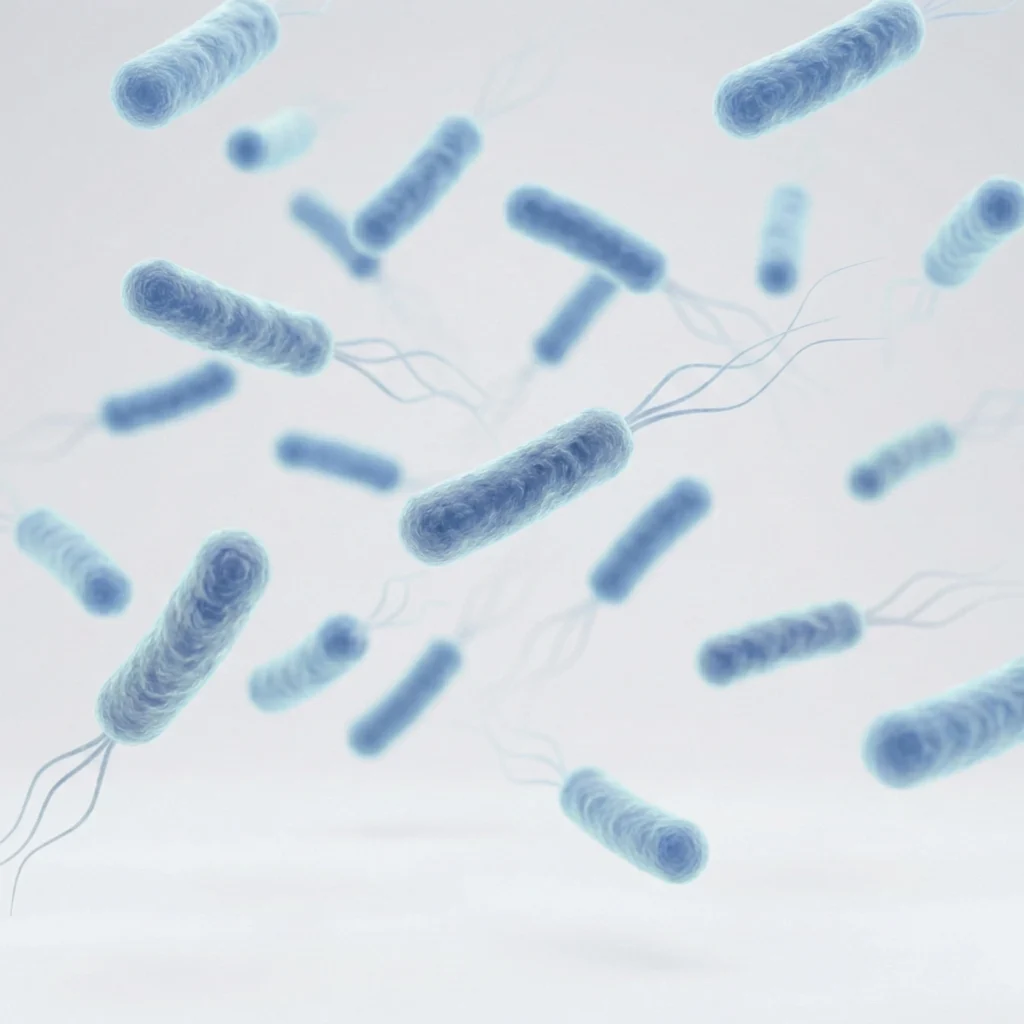
In recent years, an alarming increase in legionellosis cases has been observed throughout Lithuania. The scale and reality of the problem are best illustrated by the outbreak recorded in Kaunas and the Kaunas district in the spring of 2023, during which over 20 cases of the disease were confirmed and, unfortunately, several deaths occurred. In response to this biological threat, legal requirements for building engineering systems have become even stricter.
In Lithuania, legionellosis prevention and drinking water safety are regulated by HN 24:2023, while hot water quality standards since July 2023 are defined by the new hygiene norm—HN 136:2023, "Public Health Safety Requirements for Hot Water." These documents shift the direct responsibility for water safety and the health of residents or employees onto building owners, facility managers, and system maintenance providers.
What exactly does the HN 136:2023 legislation specify, and how can you ensure that the building you manage meets all requirements while avoiding fines and infrastructure damage?
Mandatory Hot Water Temperature Requirements Under HN 136:2023
One of the primary reasons for the multiplication of Legionella (Lat. Legionella pneumophila) is improper water temperature (the bacteria multiply ideally in the 20–50°C range). To prevent this, HN 136:2023 sets clear limits for heating systems:
- At consumer taps: Hot water temperature must be no lower than 50°C (measured after running the water for 1 minute).
- At the heating substation (water heater): Technical capabilities must be in place to increase the temperature so that it reaches at least 65°C at consumer taps (this is necessary when performing thermal disinfection).
- Continuous circulation: Hot water must not stagnate. There must be no "dead legs" in the return piping where dropping temperatures create ideal conditions for biofilm formation.
2. What to Do If Water Tests Show Legionella?
The legislation provides for strict bacteriological pollution control. If Legionella is detected in the water during preventive testing, HN 136:2023 mandates step-by-step, compulsory response actions:
- From 1,000 to 10,000 Legionella per 1 liter of water: It is mandatory to immediately inspect the water supply system, determine the causes of contamination, adjust existing preventive measures, and implement new ones.
- More than 10,000 Legionella per 1 liter of water: Immediate, extreme measures are required. The system must be cleaned, and chemical or thermal disinfection must be performed without delay, followed by mandatory repeated microbiological testing.
Important: The system must also be flushed and disinfected after it has not been used for more than a month, following pipeline reconstructions, or after cases of legionellosis have been diagnosed among users.
3. Extreme Disinfection: Why Thermal Shock and Chlorination Are No Longer the Answer
If a building has to undergo chemical disinfection (hyperchlorination), the norms require ensuring that the free chlorine concentration in the system remains at the 50 mg/l level for four hours, while the water temperature must not exceed 30°C.
Although these requirements provide a legal basis, in practice, facility managers face serious problems—these methods fight the symptoms, but do not eliminate the root cause.
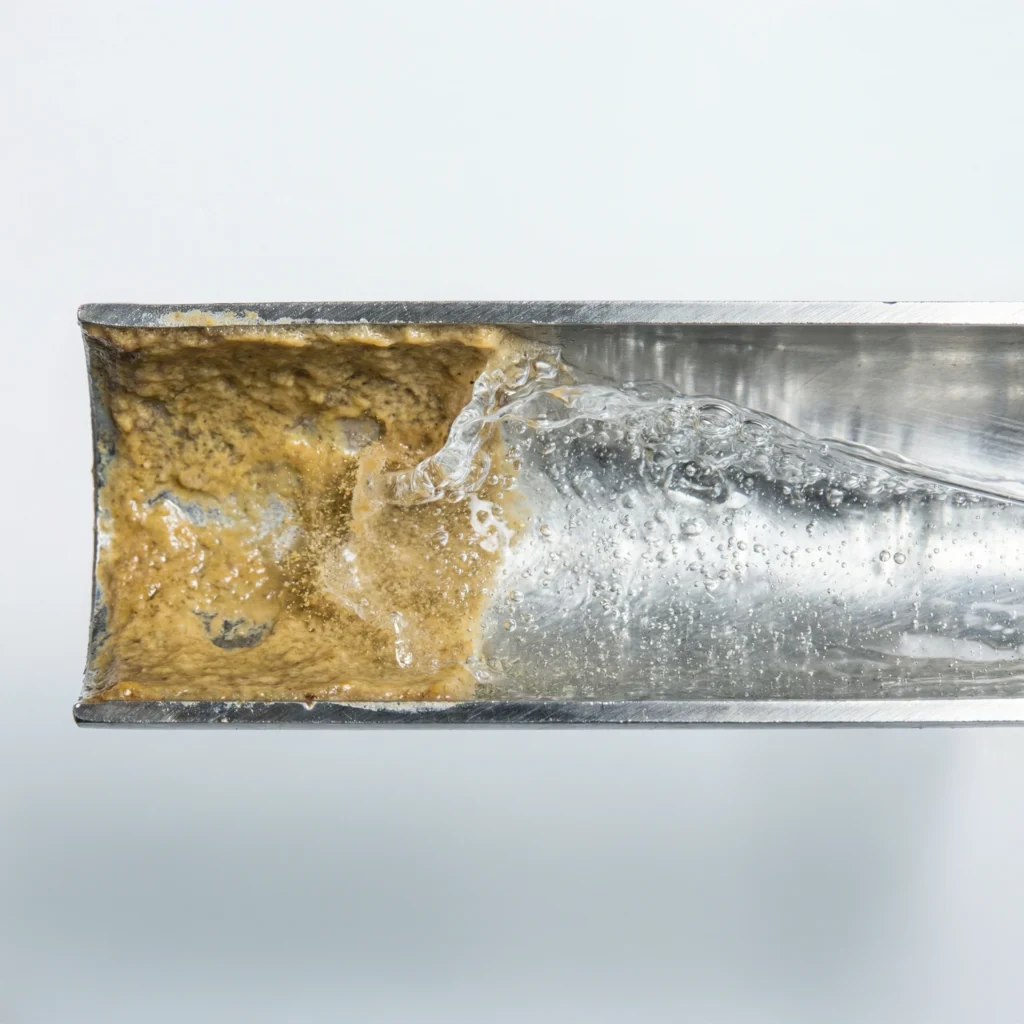
- Thermal shock does not affect biofilm: Bacteria in the pipes live enveloped in a slimy protective layer—a biofilm. Short-term heat kills only the bacteria on the surface, while the Legionella hiding in the deeper layers of the biofilm survive and soon rebuild their population.
- Pipe corrosion and infrastructure damage: Massive chlorination causes severe corrosion of metal pipes (especially galvanized steel and copper), leaching heavy metals into the drinking water. Meanwhile, continuous thermal shocks accelerate system wear and tear.
- Massive energy consumption: Raising the entire building's water volume to 65–80°C requires enormous amounts of thermal energy, which causes dissatisfaction among residents due to skyrocketing heating bills.
4. The Modern Alternative: LegioTerm® Anodic Oxidation
For facility managers looking for a long-term way to meet HN 136:2023 requirements, prevent fines, and protect residents without using aggressive chemicals or constant thermal shocks, the most optimal engineering solution is anodic oxidation technology.
Increasingly implemented across Lithuania, the Norwegian-made LegioTerm® devices are installed on the main cold water inlet to the building. This innovative system works comprehensively:
- Destroys biofilm: Unlike thermal shock, the LegioTerm® device generates active anolyte from the natural salts present in the water. This liquid effectively penetrates and completely breaks down the biofilm—the very breeding ground for Legionella—preventing their resurgence without posing a corrosion risk to metal pipes.
- Engineering and energy benefits: Unlike chemical chlorination, which promotes aggressive metal corrosion and rapid pipe wear, LegioTerm® anodic oxidation disinfects water without damaging the infrastructure. By flushing the system with TermoRens cleaners and installing LegioTerm®, continuous biological safety is ensured, low hydraulic resistance is maintained, and high heat transfer efficiency in heat exchangers is preserved, thereby reducing the building's energy costs in the long run.
- Safety and stress-free compliance: The system automatically modulates its operation and features a smart monitoring function (Modbus integration with building management systems), which facilitates NVSC (National Public Health Center) inspections by providing accurate audit logs.
Want to know how LegioTerm® can be integrated into the building you manage to help ensure long-term compliance with HN 136:2023 norms while reducing heating costs? Contact our team for an individual consultation.
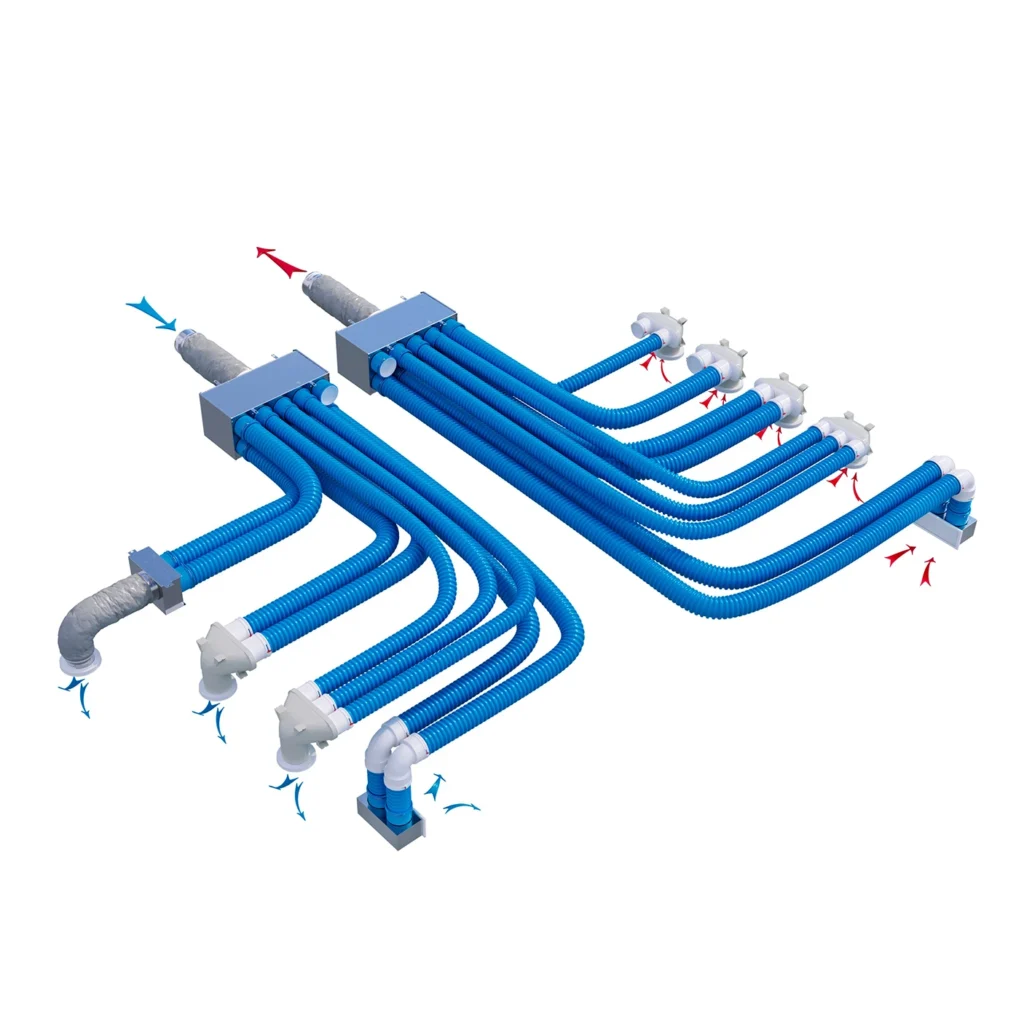
Flexible vs. Galvanized Ducts: A Comprehensive Guide for Your Home Ventilation System
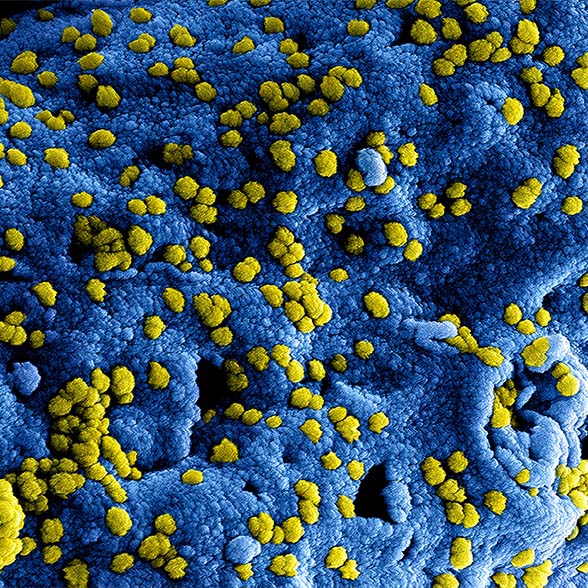
Indoor Pollution Sources
